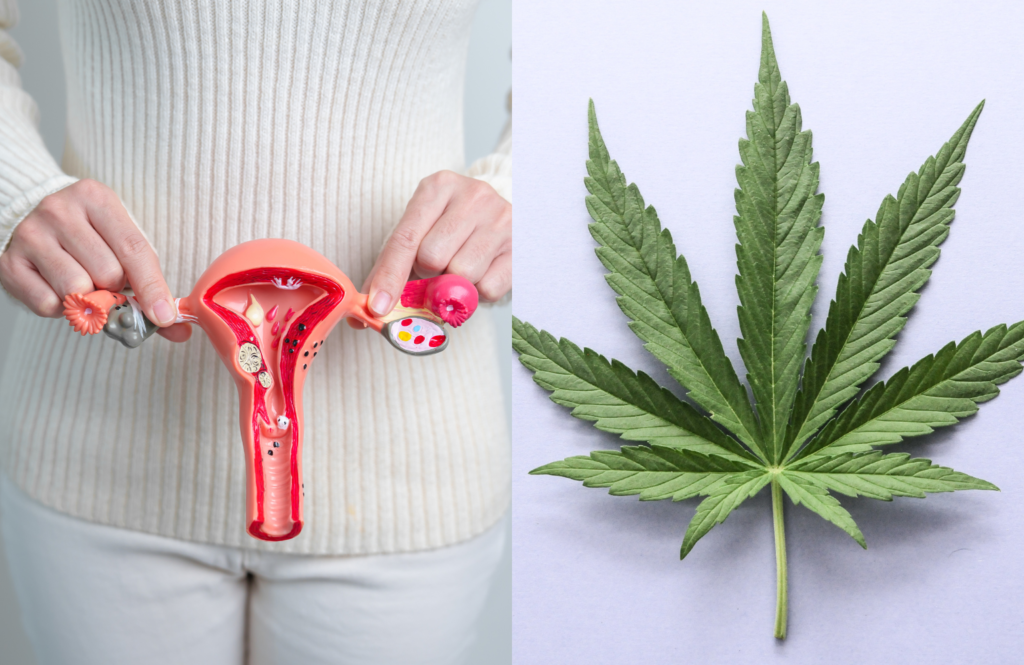
Fibroids can be more than a medical diagnosis—they can be a daily problem. If you’re dealing with heavy bleeding, painful cramps, pelvic pressure, or back pain, you know how quickly fibroids can disrupt your routine. For some people, symptoms come and go. For others, they can feel constant and overwhelming.
Now there’s an important update for patients in Illinois: fibroids are recognized as a qualifying condition for medical marijuana. That means eligible patients may be able to use medical cannabis—legally and under a doctor’s guidance—to help manage symptoms like pain, cramping, inflammation, trouble sleeping, and stress.
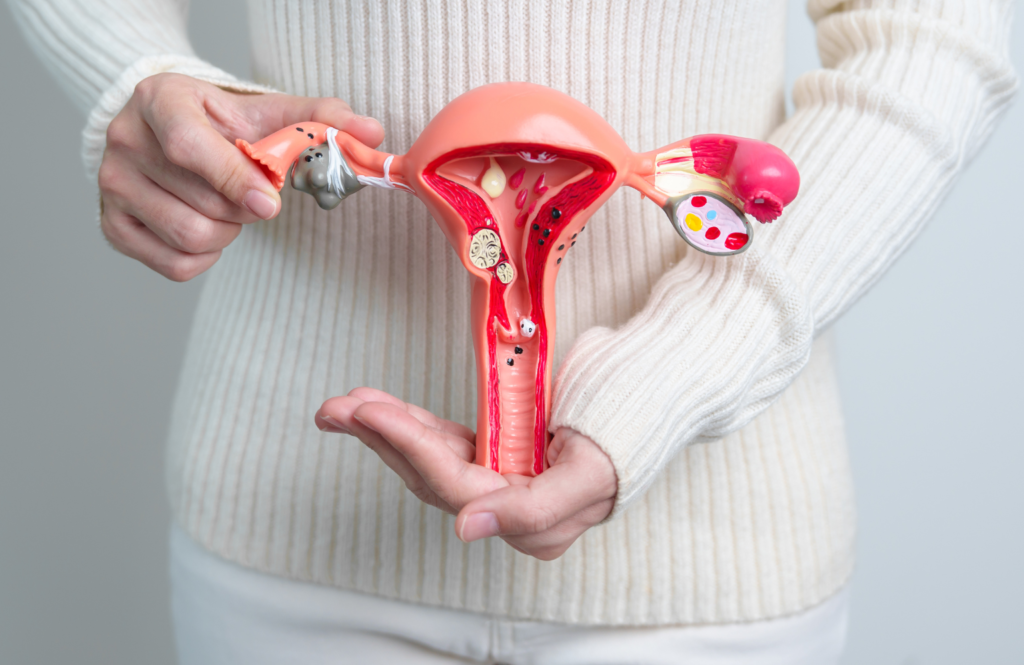
What Are Uterine Fibroids?
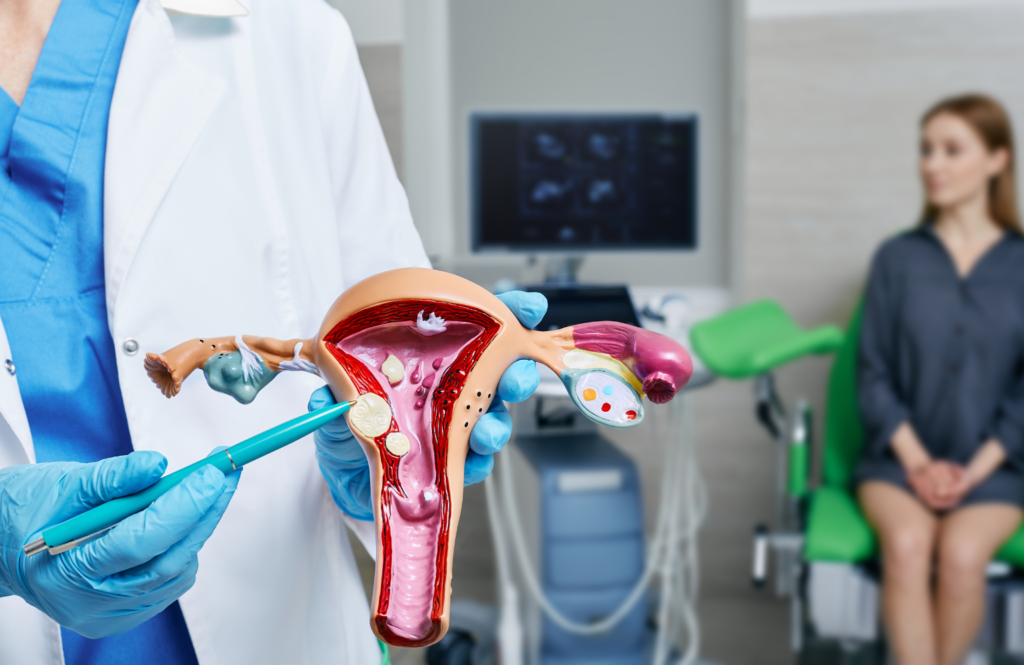
Uterine fibroids are growths that form in or on the uterus. They’re made of smooth muscle cells and fibrous tissue (kind of like a knot of muscle and connective tissue). Fibroids are very common—research suggests about 70–80% of women develop them at some point in life.
Are fibroids cancer?
In most cases, no. Fibroids are almost always benign, meaning noncancerous. A fibroid turning into cancer is extremely rare. Because they’re usually not dangerous, some people with small fibroids and mild symptoms don’t need treatment right away—just monitoring.
Do all fibroids cause symptoms?
Not always. Some people have fibroids and don’t feel anything at all. But others have symptoms that can seriously disrupt daily life, like:
- heavy periods
- strong cramping
- pelvic pressure
- back pain
- frequent urination
- pain during sex
Key point: Fibroids are common and usually noncancerous—but they can still cause real pain and major quality-of-life issues.
Types of Fibroids
Not all fibroids are the same. Where a fibroid grows in the uterus can affect how it feels and what symptoms it causes. Doctors usually group fibroids into three main types.
Subserosal Fibroids
These are the most common type of fibroids.
They grow on the outside of the uterus and can press on nearby organs like the bladder or bowels.
Common effects may include:
- pelvic pressure or heaviness
- frequent urination
- lower back or leg pain
Some subserosal fibroids grow on a thin stem, called pedunculated fibroids, which can cause sharp pain if they twist.
Intramural Fibroids
Intramural fibroids grow within the muscular wall of the uterus.
They are often linked to painful and heavy periods.
Common effects may include:
- strong menstrual cramps
- heavy bleeding
- pelvic pain or pressure
These fibroids can also cause the uterus to enlarge over time.
Submucosal Fibroids
These are less common, but they often cause the most noticeable symptoms.
They grow into the inner space of the uterus.
Common effects may include:
- very heavy periods
- long-lasting menstrual bleeding
- fertility or pregnancy problems
No matter the type, fibroids can cause ongoing discomfort—and that’s where symptom management options, including medical marijuana, may help.
Common Symptoms of Fibroids
Many people with fibroids don’t notice symptoms at first. But when symptoms do show up, they can range from mild discomfort to daily, life-disrupting pain. The severity often depends on the size, number, and location of the fibroids.
Heavy and Painful Periods
One of the most common symptoms is heavy menstrual bleeding, also called menorrhagia. This can include:
- periods that last longer than normal
- passing large blood clots
- needing to change pads or tampons very often
Over time, heavy bleeding can lead to anemia, which may cause fatigue, dizziness, and weakness.
Pelvic Pain and Pressure
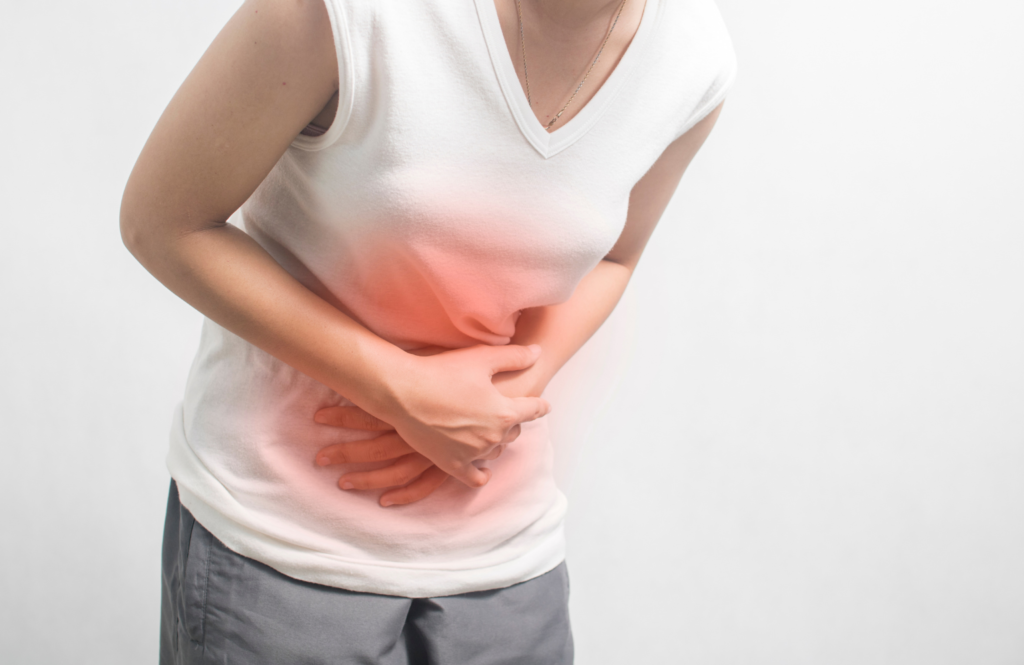
Fibroids can cause a constant feeling of pressure or fullness in the lower abdomen. Some people describe it as bloating that never goes away.
Back, Hip, and Leg Pain
Larger fibroids can press on nerves, leading to:
- lower back pain
- hip discomfort
- pain that travels down the legs
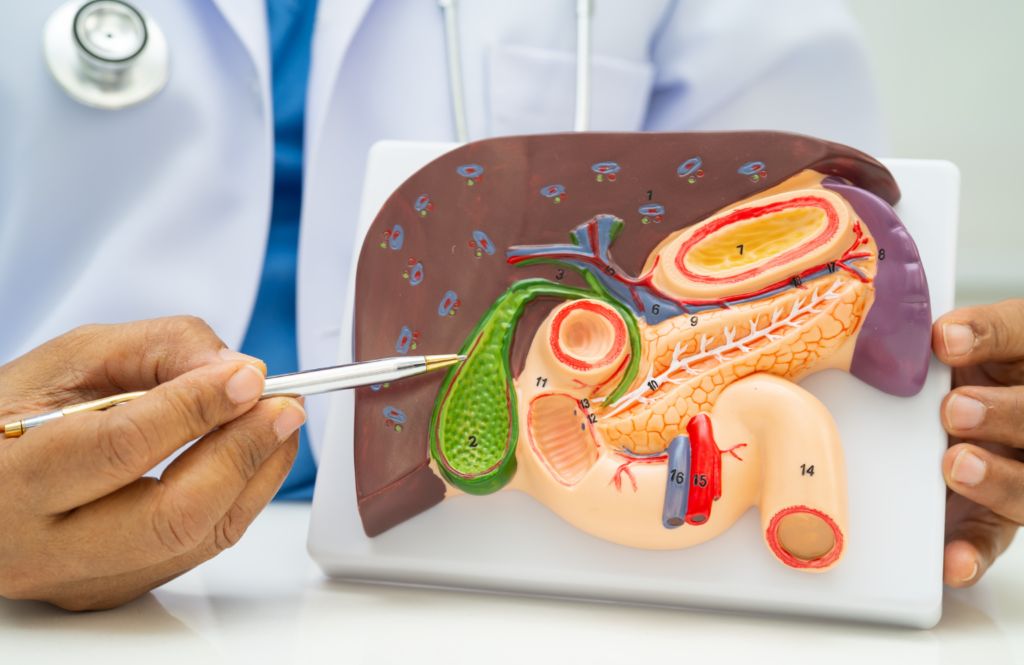
Bladder and Bowel Issues
Because fibroids can push against nearby organs, they may cause:
- frequent urination
- difficulty emptying the bladder
- constipation
Pain During Sex
Some people experience pain during sexual activity, also known as dyspareunia. This can affect intimacy and emotional well-being.
Can Medical Marijuana Help Treat Fibroid Symptoms?
Medical marijuana does not cure fibroids, but it may help manage many of the symptoms that make fibroids hard to live with. For patients dealing with chronic pain, cramping, and discomfort, cannabis can be a supportive option when used under medical guidance.
How medical marijuana may help
The body has something called the endocannabinoid system, which helps regulate:
- pain
- inflammation
- muscle tension
- mood
- sleep
Cannabis interacts with this system, which is why it may help with fibroid-related symptoms.
Important reminder
Medical marijuana is not a replacement for medical care. It’s best used as part of a larger plan that may include regular checkups and guidance from a healthcare provider.
Best Medical Marijuana Options for Fibroid Relief
There isn’t one “best” cannabis product for fibroids, because everyone’s body reacts differently. The goal is to manage symptoms like pain, cramping, inflammation, and sleep problems while avoiding unwanted side effects.
THC vs. CBD: What’s the difference?
- THC is the compound that can help with stronger pain relief, muscle relaxation, and sleep.
- CBD is non-intoxicating and may help with inflammation, mild pain, and anxiety without making you feel “high.”
Many fibroid patients find relief using a balanced THC:CBD product.
Common medical marijuana forms for fibroids
Tinctures (drops under the tongue)
- fast-acting and easy to control dosage
- often used for daily pain managemen
Edibles (gummies, capsules)
- longer-lasting relief
- helpful for nighttime pain or sleep issues
Flower or vape products
- quicker onset for sudden pain or cramping
- easier to adjust effects in real time
Topicals (creams, balms)
- applied directly to the lower abdomen or back
- no psychoactive effects
- helpful for localized muscle tension
Finding the right option
Most patients start with:
- a low dose
- gradual adjustments
- guidance from a medical provider or dispensary professional
Keeping a simple symptom journal can help track what works best.
Safety note
Always use medical marijuana responsibly and avoid driving or operating heavy machinery when using THC products.
FAQ
Can fibroids qualify for medical marijuana in Illinois without surgery?
Yes. You do not need to have surgery or try invasive treatments first. If fibroids are causing chronic pain or other serious symptoms, you may still qualify for medical marijuana.
Can medical marijuana cure fibroids?
No. Medical marijuana does not remove or shrink fibroids. It is used to help manage symptoms like pain, cramping, inflammation, sleep problems, and stress.
Is medical marijuana safe for long-term fibroid pain?
Many patients use medical marijuana long-term under medical guidance. Your provider can help you choose products and doses that fit your needs while minimizing side effects.
Can I use medical marijuana while trying to get pregnant?
If you are trying to conceive, you should talk to your healthcare provider. Cannabis may not be recommended during pregnancy or while actively trying to become pregnant.
Will medical marijuana help with heavy periods?
Medical marijuana may help with pain and cramping, but it does not stop heavy bleeding. It is often used alongside other treatments recommended by your doctor.
Can I still take other fibroid medications?
Yes. Medical marijuana can often be used alongside other treatments, but you should always inform your healthcare provider about everything you’re taking.