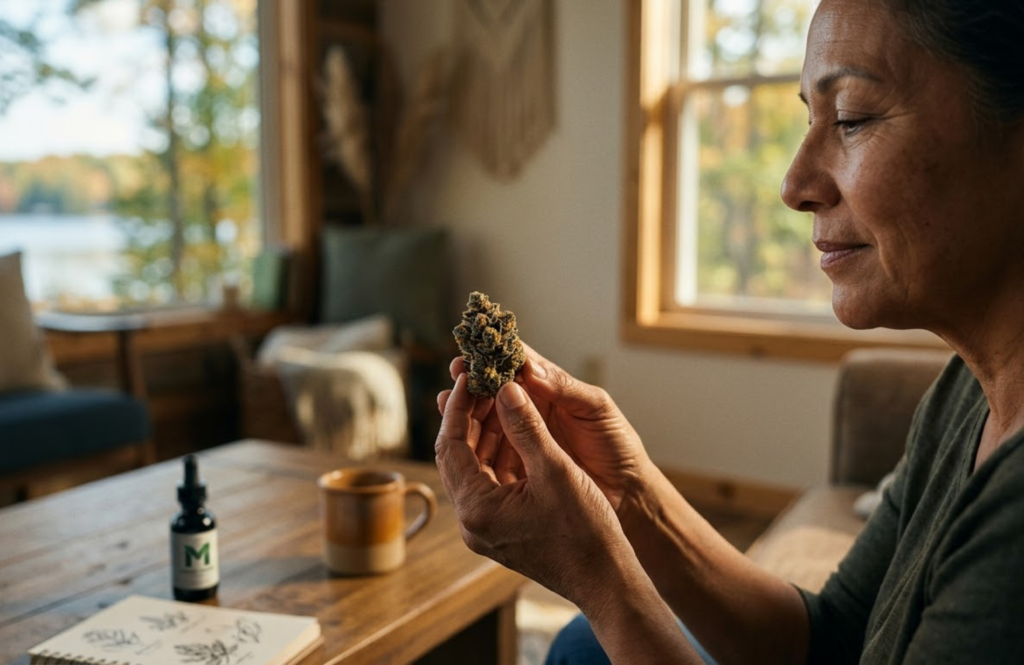
Living with severe and chronic pain can affect nearly every part of daily life. Persistent discomfort may interfere with movement, sleep, work, relationships, and emotional well-being. For many individuals, pain is not just a physical sensation — it becomes a long-term condition that shapes routines, limits independence, and reduces quality of life.
As patients look for ways to manage symptoms that continue despite conventional treatments, one question often arises:
Can medical cannabis help with chronic pain?
The answer is not simple. While medical cannabis is not a cure for the underlying causes of chronic pain, some patients in Michigan consider it a supportive option for symptom management when standard therapies do not provide sufficient relief.
What Is Severe and Chronic Pain?
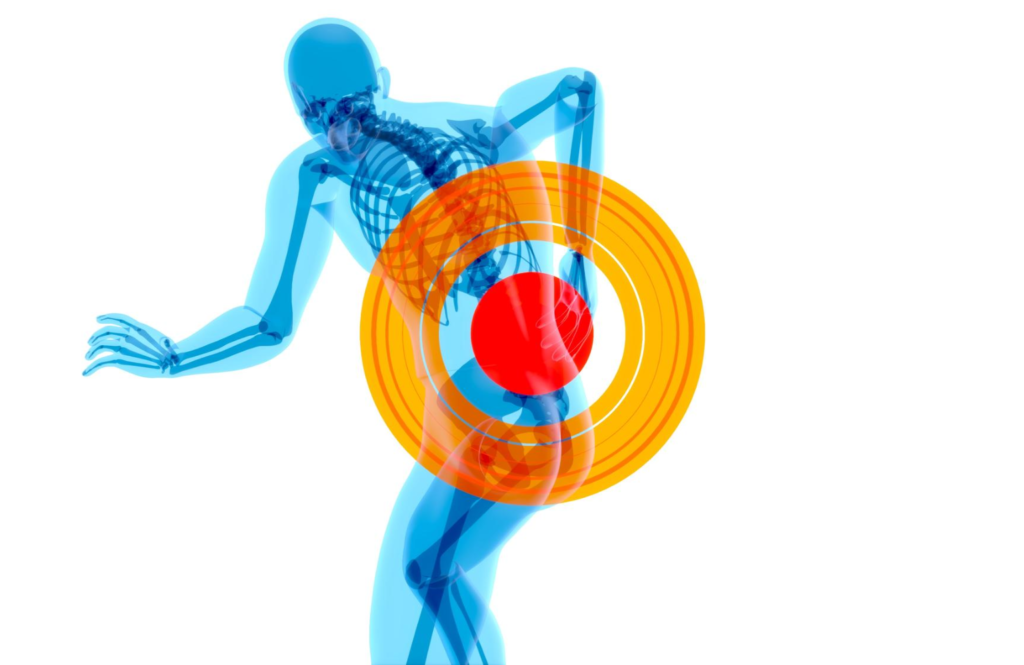
Chronic pain is typically defined as pain that persists for three months or longer, even after an injury or illness has healed. In some cases, pain continues because of ongoing inflammation, nerve dysfunction, or structural conditions affecting muscles, joints, or internal organs.
Common forms of chronic pain include:
- Neuropathic pain from nerve damage
- Musculoskeletal pain such as arthritis or back pain
- Inflammatory pain related to autoimmune conditions
- Post-surgical or injury-related pain
- Headaches and migraine disorders
Unlike acute pain, which serves as a warning signal for injury, chronic pain may persist without a clear protective purpose, making it difficult to manage.
Why Chronic Pain Can Be Difficult to Treat
Chronic pain involves complex biological and psychological processes, including:
- Altered pain signaling in the nervous system
- Ongoing inflammatory responses
- Central sensitization (heightened pain sensitivity)
- Sleep disturbances and fatigue
- Stress and mood changes that amplify pain perception
Standard treatments may include physical therapy, anti-inflammatory medications, nerve-modulating drugs, injections, or surgical interventions. While these approaches help many patients, others experience incomplete relief or side effects that limit long-term use.
This gap sometimes leads individuals to explore complementary therapies such as medical cannabis.
Can Medical Cannabis Help With Chronic Pain?
Medical cannabis may help some patients manage symptoms related to chronic pain, including discomfort intensity, sleep disruption, appetite changes, and emotional distress. However, it should be viewed as a symptom-support tool rather than a replacement for comprehensive medical care.
Cannabis does not correct structural injuries, reverse nerve damage, or eliminate inflammatory diseases.
How Cannabis Interacts With Pain Pathways
Cannabis influences the body through the endocannabinoid system (ECS) — a regulatory network involved in pain perception, immune response, mood, and sleep regulation.
Cannabinoid receptors are found throughout the nervous system:
- CB₁ receptors are primarily located in the brain and spinal cord and play a role in pain signal modulation.
- CB₂ receptors are more common in immune cells and peripheral tissues, where they influence inflammatory responses.
When cannabinoids such as THC and CBD interact with these receptors, they may alter how pain signals are processed and perceived.
Potential Ways Medical Cannabis May Support Chronic Pain Management
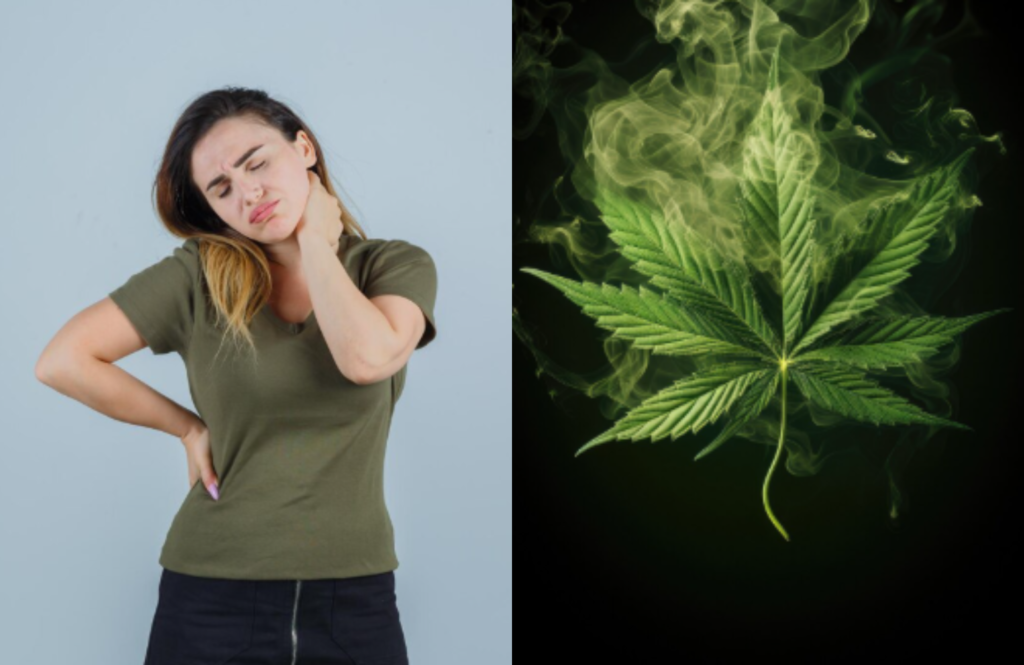
1. Pain Signal Modulation
THC may influence neural pathways involved in pain transmission, potentially reducing the perceived intensity of discomfort in some individuals.
2. Inflammatory Response Support
CBD has been studied for possible anti-inflammatory properties. Since inflammation contributes to many chronic pain conditions, this effect may be clinically relevant for symptom relief.
3. Improved Sleep Quality
Chronic pain frequently disrupts sleep, which can worsen fatigue and increase pain sensitivity. Some patients report improved sleep duration or quality with cannabis use.
4. Muscle Relaxation
In conditions involving muscle tension or spasms, cannabinoids may help promote relaxation and reduce stiffness.
5. Emotional and Stress-Related Pain Amplification
Pain perception is influenced by mood and stress levels. Cannabis may help certain individuals feel calmer or better able to cope with persistent symptoms.
Conditions Commonly Associated With Severe Chronic Pain
Medical cannabis may be considered as part of supportive care for pain related to:
- Arthritis and degenerative joint disease
- Neuropathy or nerve injuries
- Fibromyalgia
- Multiple sclerosis
- Autoimmune disorders
- Cancer-related pain
- Chronic back or neck conditions
Responses vary widely depending on the cause of pain and individual health factors.
Medical Marijuana Eligibility in Michigan for Chronic Pain
Severe and chronic pain is recognized as a qualifying condition under Michigan’s medical marijuana program.
A licensed physician evaluates:
- Pain duration and severity
- Functional limitations
- Impact on sleep and daily activities
- Treatment history and medication tolerance
- Overall health status
Participation in the medical program may provide structured clinical guidance, legal protections, and potential financial advantages compared to adult-use cannabis purchases.
Choosing Cannabis Products for Chronic Pain: What Patients Often Consider
There is no universal product recommendation. Patients often explore options based on symptom patterns and personal tolerance.
THC-Dominant Products
- May help with pain perception, appetite, and sleep
- Can cause intoxication, dizziness, or anxiety in some users
CBD-Dominant Products
- Non-intoxicating
- May support inflammation and stress regulation
- Often considered for daytime symptom management
Balanced THC:CBD Products
Aim to provide symptom relief while minimizing psychoactive effects
Common Consumption Methods
- Oils or tinctures: Controlled dosing and longer-lasting effects
- Edibles: Extended relief with slower onset
- Vaporization: Faster symptom response with shorter duration
- Topicals: May help localized musculoskeletal discomfort
Safety Considerations and Potential Risks
Although many patients tolerate cannabis well, possible risks include:
- Sedation or impaired concentration
- Anxiety or mood changes at higher THC doses
- Interaction with prescription medications
- Risk of masking worsening symptoms
Starting with low doses and maintaining open communication with healthcare providers is important for safe use.
FAQs

Can cannabis cure chronic pain?
No. Cannabis may help manage symptoms but does not cure the underlying cause of chronic pain.
Is THC or CBD better for pain?
THC may help with pain perception and sleep, while CBD may support inflammation and stress. Individual responses vary.
Can Michigan patients qualify for medical marijuana for chronic pain?
Yes. Severe and chronic pain is a qualifying condition with physician certification.
Should cannabis replace prescribed pain medications?
Treatment changes should always be discussed with a healthcare professional.
How quickly does medical cannabis work for pain?
Onset depends on the product type and method of use, ranging from minutes to several hours.
What This Means for Michigan Patients Living With Chronic Pain
Severe and chronic pain often requires long-term, personalized care strategies. Medical cannabis is not a cure, but for some individuals it may serve as a carefully managed support tool for discomfort, sleep challenges, stress, and daily functioning.
When used responsibly within Michigan’s medical cannabis framework and alongside professional medical guidance, cannabis may help improve comfort and quality of life — particularly when conventional treatments do not fully address symptom relief.
The most important step is informed decision-making with qualified healthcare providers. If you are considering medical cannabis for chronic pain, a licensed Michigan physician can help you understand potential benefits, risks, and appropriate next steps.