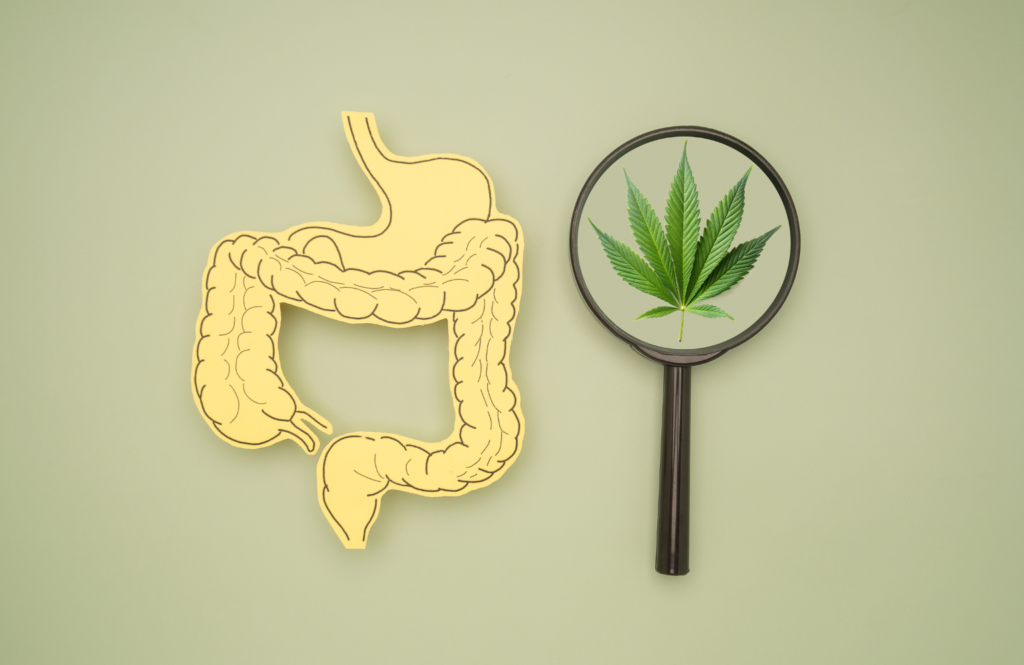
Living with Inflammatory Bowel Disease (IBD) often means planning your life around symptoms you can’t predict.
One day, your digestion feels manageable. The next, pain, urgency, fatigue, and inflammation take over. It isn’t just a digestive issue — it affects sleep, work, mental health, and quality of life.
As more patients look for ways to manage symptoms that persist despite conventional treatment, one question keeps coming up:
Can medical cannabis help with IBD?
The answer is more nuanced than a simple yes or no — but for many Michigan patients, medical cannabis has become a supportive option worth understanding.

What Is Inflammatory Bowel Disease (IBD)?

Inflammatory Bowel Disease is a group of chronic conditions characterized by ongoing inflammation in the digestive tract. The two most common forms are:
Crohn’s Disease
- Can affect any part of the gastrointestinal tract
- Often involves deeper layers of the bowel wall
- Symptoms may include pain, diarrhea, weight loss, fatigue, and nutrient deficiencies
Ulcerative Colitis
- Affects the colon and rectum
- Inflammation is typically limited to the inner lining of the bowel
- Common symptoms include bloody diarrhea, cramping, urgency, and rectal pain
IBD is not the same as IBS (Irritable Bowel Syndrome). IBD involves visible inflammation and immune system dysfunction, while IBS does not.
Why IBD Is So Hard to Manage
IBD is complex because it involves:
- Immune system overactivity
- Chronic inflammation
- Altered gut motility
- Pain signaling dysfunction
- Stress and anxiety feedback loops
Standard treatments — such as aminosalicylates, steroids, immunosuppressants, and biologics — help many patients, but not all. Some experience incomplete relief or difficult side effects.
That gap is where interest in medical cannabis often begins.
Can Cannabis Help with IBD?
Medical cannabis may help some people with IBD manage symptoms like abdominal pain, inflammation, nausea, poor appetite, and sleep disturbances — but it is not a cure for Crohn’s disease or ulcerative colitis.
Cannabis is best understood as a symptom-management tool, not a replacement for standard medical care.
How Cannabis Interacts With the Digestive System
Cannabis affects the body through the endocannabinoid system (ECS) — a regulatory network involved in inflammation, pain perception, gut motility, appetite, and immune signaling.
Importantly, cannabinoid receptors (CB₁ and CB₂) are found throughout the gastrointestinal tract.
When cannabinoids like THC and CBD interact with these receptors, they may influence several IBD-related processes.
How Medical Cannabis May Help With IBD Symptoms
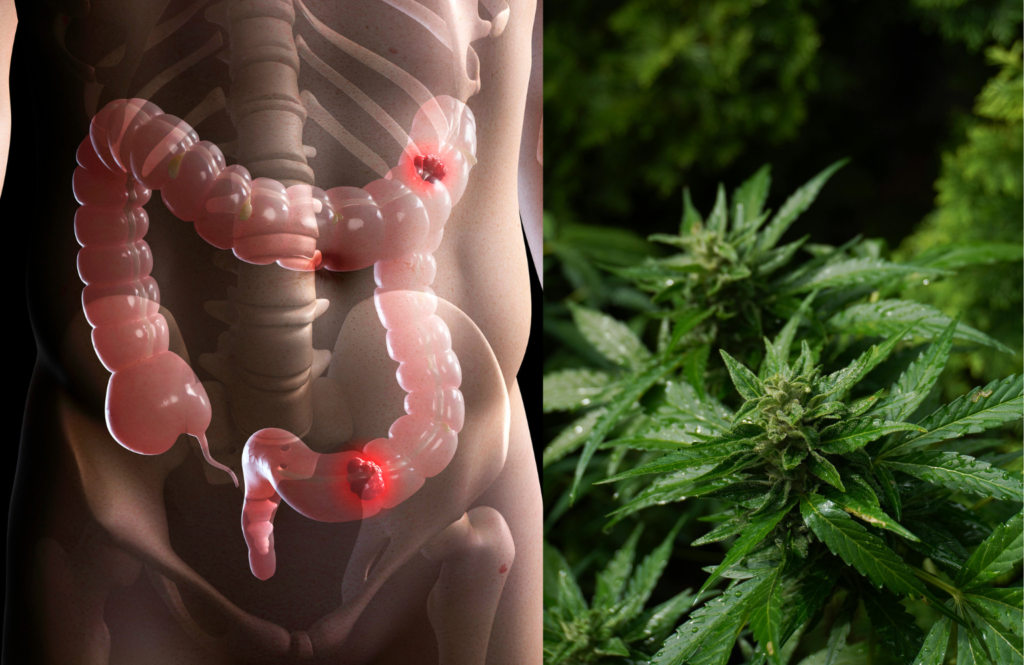
1. Abdominal Pain and Cramping
Pain is one of the most common IBD complaints. THC and CBD may help modulate pain signaling pathways, reducing discomfort without relying solely on opioids or NSAIDs.
2. Inflammation
CBD, in particular, has been studied for its anti-inflammatory properties. While cannabis does not eliminate intestinal inflammation in all cases, some patients report reduced flare severity.
3. Nausea and Appetite Loss
IBD flares often suppress appetite and cause nausea. THC has well-documented anti-nausea effects and may help restore appetite, which is critical for maintaining weight and nutrition.
4. Diarrhea and Gut Motility
Cannabinoids may slow intestinal motility in some individuals, potentially reducing urgency and frequency.
5. Sleep and Stress
Poor sleep and stress can worsen IBD symptoms. Cannabis may help some patients relax, sleep more consistently, and reduce stress-related symptom amplification.
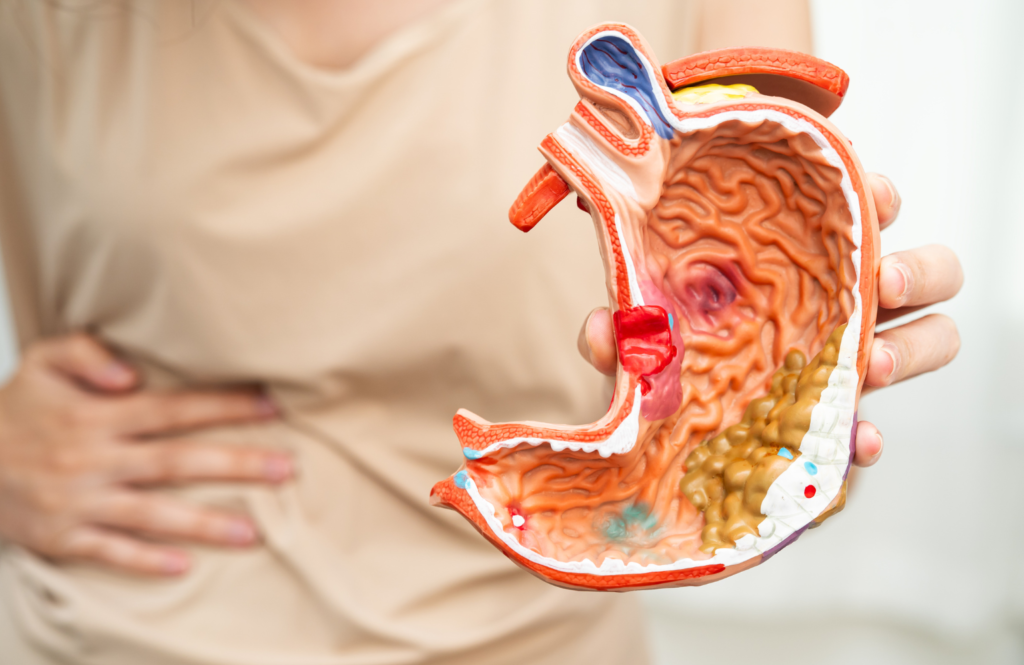
CBD for Crohn’s Disease: What Does the Evidence Suggest?
CBD has gained attention because it does not produce intoxication and appears to influence inflammation and immune signaling.
Some studies suggest CBD may:
- Reduce inflammatory markers
- Support gut barrier integrity
- Ease anxiety and sleep issues associated with chronic illness
However, current evidence does not show that CBD alone induces remission in Crohn’s disease. It may support comfort and quality of life rather than disease modification.
Cannabis for Ulcerative Colitis: What’s Different?
Patients with ulcerative colitis often report benefits related to:
- Reduced pain and cramping
- Improved appetite
- Better sleep during flares
This highlights an important distinction:
Feeling better does not always mean inflammation is resolved.
That’s why cannabis should complement — not replace — gastroenterologist-guided care.
Is Medical Cannabis a Treatment or a Support Tool?
This is a critical point.
Medical cannabis is considered a symptom-management option, not a disease-modifying therapy for IBD.
Patients who stop prescribed IBD medications in favor of cannabis alone risk uncontrolled inflammation and long-term complications.
The safest approach is integrated care, where cannabis is used alongside conventional treatment under medical supervision.
Qualifying for Medical Marijuana in Michigan With IBD
Michigan’s medical marijuana program allows patients with debilitating medical conditions to qualify.
While IBD is not always listed by name, many patients qualify based on associated symptoms such as:
- Chronic pain
- Severe nausea
- Weight loss
- Appetite issues
- Inflammatory autoimmune conditions
- A licensed Michigan physician evaluates:
- Your diagnosis
- Symptom severity
- Impact on daily life
- Response to other treatments
If appropriate, they can provide certification for medical marijuana in Michigan.
Choosing Cannabis Products for IBD: What Patients Often Consider
There is no single “best” product. Patients often explore options based on symptom patterns.
THC-Dominant Products
- May help pain, nausea, appetite, and sleep
- Can cause intoxication or anxiety in some users
CBD-Dominant Products
- Non-intoxicating
- May support inflammation and stress
- Often used during the day
Balanced THC:CBD Products
Aim to reduce side effects while maintaining symptom relief
Consumption Methods
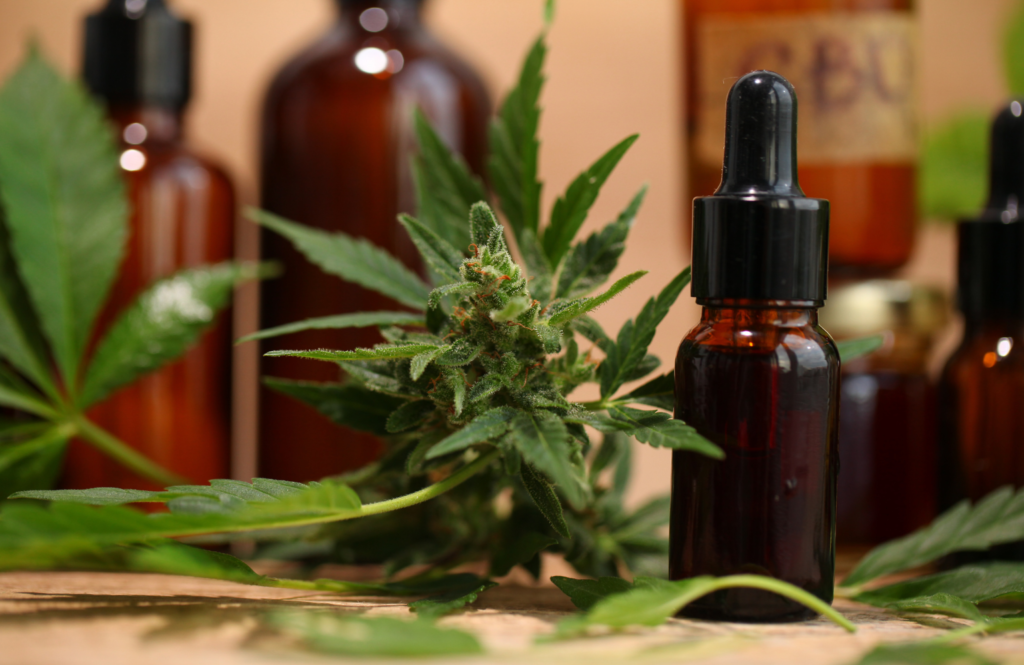
- Oils or tinctures: Controlled dosing, longer duration
- Edibles: Longer-lasting but slower onset
- Vaporization: Faster relief, shorter duration
- Topicals: Limited role for gut symptoms
Safety Considerations and Risks
Cannabis is not risk-free. Patients should be aware of:
- Potential anxiety or dizziness with THC
- Interaction with other medications
- Cognitive effects at higher doses
- Risk of masking symptoms while inflammation persists
Starting low, adjusting slowly, and maintaining open communication with healthcare providers is essential.
FAQs
Can cannabis cure IBD?
No. Cannabis does not cure Crohn’s disease or ulcerative colitis.
Can medical marijuana reduce IBD inflammation?
It may help some inflammatory pathways, but it does not replace anti-inflammatory or immune-modifying medications.
Is CBD better than THC for IBD?
It depends on symptoms. CBD may help inflammation and stress, while THC often helps pain and appetite.
Can I qualify for medical marijuana in Michigan with IBD?
Many patients qualify based on associated debilitating symptoms after physician evaluation.
Should I stop my IBD medication if cannabis helps?
No. Always consult your gastroenterologist before making changes.
What This Means for Michigan IBD Patients
IBD is a lifelong condition that requires thoughtful, layered care. Medical cannabis is not a shortcut — but for some patients, it can be a meaningful support tool for managing pain, nausea, appetite, sleep, and stress.
When used responsibly and legally within Michigan’s medical cannabis program, cannabis may help improve daily comfort and quality of life — especially when conventional treatments fall short on symptom relief.
The most important step is informed, medically guided decision-making.
If you’re living with IBD and exploring whether medical cannabis could support your care plan, our licensed Michigan provider can help you weigh benefits, risks, and next steps — safely and legally.