Living with Obsessive Compulsive Disorder (OCD) can feel exhausting and overwhelming.
Intrusive thoughts arrive without warning. Compulsions interrupt daily routines. Anxiety builds when rituals can’t be completed — and relief is often temporary.
OCD isn’t about preferences or personality quirks. It’s a chronic mental health condition that affects how the brain processes fear, control, and uncertainty. For many people, it impacts sleep, work, relationships, and overall quality of life.
As patients search for ways to manage persistent symptoms alongside therapy and medication, one question often comes up:
Can medical cannabis help with OCD?
The answer is complex — but for some Michigan patients, medical cannabis has become a supportive option worth understanding.
What Is Obsessive Compulsive Disorder (OCD)?

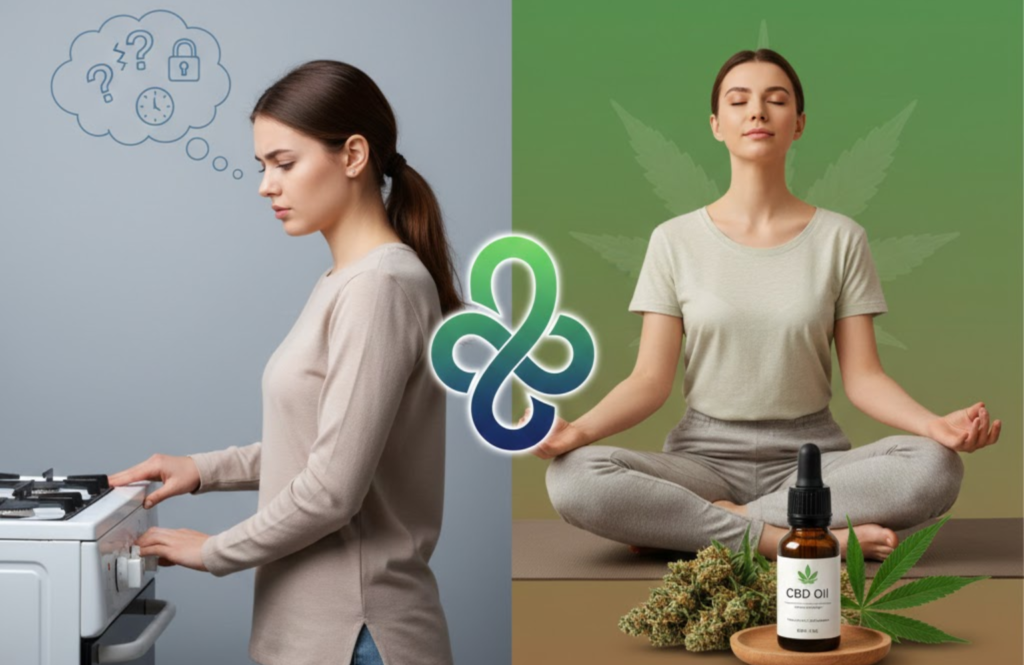
Obsessive Compulsive Disorder is a mental health condition characterized by a cycle of obsessions and compulsions.
Obsessions
- Recurrent, unwanted, intrusive thoughts or urges
- Often related to contamination, harm, morality, or control
- Cause significant anxiety or distress
Compulsions
- Repetitive behaviors or mental acts performed to reduce anxiety
- Examples include checking, counting, washing, reassurance-seeking, or mental rituals
- Relief is usually temporary, reinforcing the cycle
OCD is not simply “being organized” or “liking things a certain way.” It involves persistent anxiety and impaired daily functioning.

Why OCD Is So Hard to Manage
OCD is challenging because it involves:
- Dysregulation of fear and threat processing
- Heightened anxiety and stress response
- Rigid thought loops
- Difficulty tolerating uncertainty
- Strong habit formation in the brain
Standard treatments — such as cognitive behavioral therapy (especially ERP), SSRIs, and other psychiatric medications — are effective for many patients, but not all.
Some experience incomplete relief, difficult side effects, or symptom flare-ups despite treatment. That gap is often where interest in medical cannabis begins.
Can Cannabis Help With OCD?
Medical cannabis may help some individuals manage associated symptoms of OCD — such as anxiety, sleep disturbance, or emotional distress — but it is not a cure for OCD and does not replace evidence-based therapy.
Cannabis should be viewed as a supportive tool, not a primary treatment for obsessive-compulsive symptoms.
How Cannabis Interacts With the Brain
Cannabis affects the body through the endocannabinoid system (ECS) — a regulatory network involved in mood, stress response, emotional regulation, sleep, and fear processing.
Cannabinoid receptors (CB₁ and CB₂) are found throughout brain regions involved in OCD, including those related to anxiety, habit formation, and emotional control.
When cannabinoids such as THC and CBD interact with these receptors, they may influence how the brain responds to stress and intrusive thoughts.
How Medical Cannabis May Affect OCD-Related Symptoms
1. Anxiety and Stress
Anxiety fuels the OCD cycle. Some patients report that cannabis — particularly CBD or low-dose THC — helps reduce baseline anxiety and emotional intensity.
2. Intrusive Thought Distress
Cannabis does not eliminate intrusive thoughts, but some individuals find that it reduces the emotional charge attached to them, making thoughts feel less overwhelming.
3. Sleep Disruption
OCD often interferes with sleep due to racing thoughts or nighttime rituals. Cannabis may help some patients fall asleep more easily or stay asleep longer.
4. Emotional Regulation
By influencing mood and stress response, cannabis may help certain patients feel calmer and more emotionally balanced during high-stress periods.
5. Comorbid Symptoms
Many people with OCD also experience depression, generalized anxiety, or panic symptoms. Cannabis may help address overlapping discomfort — though responses vary widely.
CBD and OCD: What Does the Evidence Suggest?
CBD has gained attention because it does not cause intoxication and appears to influence anxiety and stress regulation.
Some research suggests CBD may:
- Reduce anxiety responses
- Support emotional regulation
- Improve sleep quality
- Lower stress-related symptom amplification
However, current evidence does not show that CBD alone treats OCD or replaces therapy. Its role appears to be supportive, not corrective.
THC and OCD: Important Considerations
THC affects individuals very differently.
Some patients report:
- Temporary anxiety relief
- Improved sleep
- Reduced emotional intensity
Others experience:
- Increased anxiety
- Heightened obsessive thinking
- Worsened rumination at higher doses
This variability makes careful dosing, product selection, and medical oversight especially important for OCD patients.
Is Medical Cannabis a Treatment or a Support Tool?
This distinction matters.
Medical cannabis is considered a symptom-support option, not a primary treatment for OCD.
Stopping therapy or psychiatric medications in favor of cannabis alone may worsen symptoms or delay effective care.
The safest approach is integrated care, where cannabis is used thoughtfully alongside therapy and psychiatric guidance.
Qualifying for Medical Marijuana in Michigan With OCD
Michigan’s medical marijuana program allows patients with debilitating medical conditions to qualify.
While OCD is not always listed explicitly, many patients qualify based on associated symptoms such as:
- Severe anxiety
- Chronic mental health impairment
- Sleep disruption
- Functional limitations
- Co-occurring conditions
- A licensed Michigan physician evaluates:
- Diagnosis and symptom history
- Severity and daily impact
- Response to standard treatments
- Overall health profile
If appropriate, certification for medical marijuana in Michigan may be provided.
Choosing Cannabis Products for OCD: What Patients Often Consider
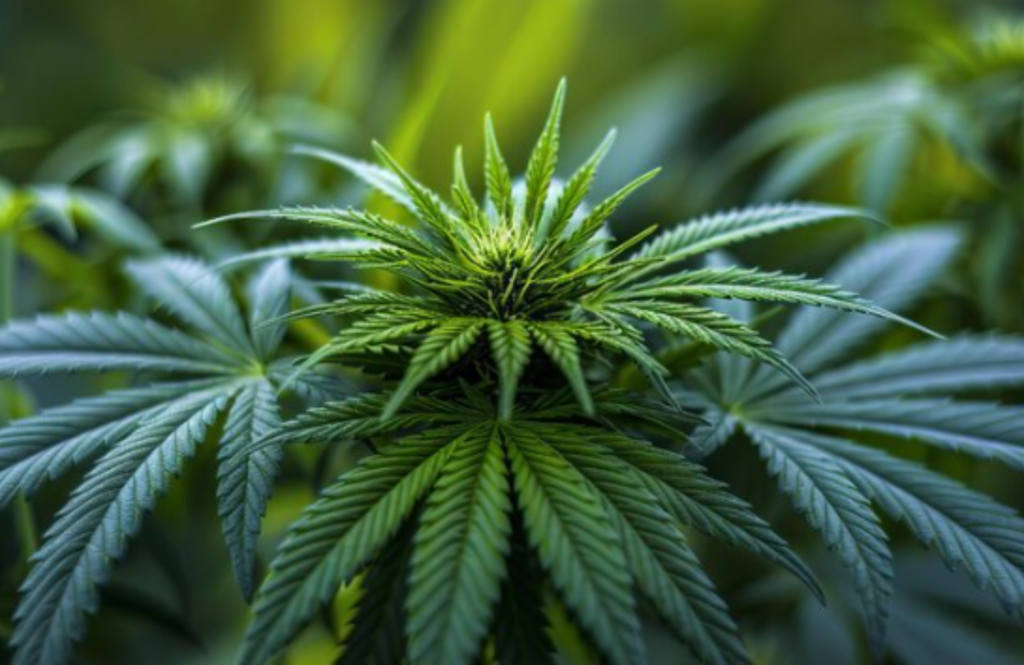
There is no one-size-fits-all option. Patients often explore products cautiously.
CBD-Dominant Products
- Non-intoxicating
- Often preferred for anxiety support
- Common for daytime use
Low-THC or Balanced THC:CBD Products
- May provide calming effects
- Lower risk of anxiety than high-THC products
- Require careful dosing
Consumption Methods
- Oils or tinctures: Controlled dosing, adjustable
- Capsules or edibles: Longer-lasting, slower onset
- Vaporization: Faster onset, shorter duration
Safety Considerations and Risks
Cannabis use with OCD requires caution. Potential risks include:
- Increased anxiety or obsessive focus with THC
- Cognitive effects that interfere with therapy progress
- Interaction with psychiatric medications
- Dependence on cannabis for anxiety avoidance
Starting low, adjusting slowly, and maintaining open communication with healthcare providers is essential.
FAQs

Can cannabis cure OCD?
No. Cannabis does not cure obsessive compulsive disorder.
Can medical marijuana reduce OCD symptoms?
It may help manage anxiety, sleep, or distress for some patients, but it does not replace therapy.
Is CBD better than THC for OCD?
Many patients tolerate CBD better. THC responses vary and may worsen symptoms in some individuals.
Can I qualify for medical marijuana in Michigan with OCD?
Some patients qualify based on severity and associated debilitating symptoms after physician evaluation.
Should I stop OCD medication if cannabis helps?
No. Always consult your mental health provider before changing treatment.
Can cannabis make OCD symptoms worse?
Yes. Higher THC levels may increase anxiety or obsessive thinking in some individuals.
Can medical marijuana reduce OCD symptoms?
It varies. Cannabis may help some patients manage anxiety but can interfere with therapy for others.
Are there specific cannabis strains for OCD?
No. There are no clinically proven strains for OCD.
How quickly does medical cannabis work?
Is medical cannabis used for teens with OCD in Michigan?
What This Means for Michigan OCD Patients
OCD is a complex condition that requires structured, evidence-based care. Medical cannabis is not a cure — but for some patients, it may serve as a carefully managed support tool for anxiety, sleep, and emotional regulation.
When used responsibly and legally within Michigan’s medical cannabis program, cannabis may help improve daily comfort and resilience — especially when symptoms persist despite standard treatment.
The most important step is informed, medically guided decision-making.
If you’re living with OCD and exploring whether medical cannabis could support your care plan, our licensed Michigan provider can help you understand benefits, risks, and next steps — safely and legally.