
The Cannabis Price Shift in Michigan — From Lowest to Nearly the Highest
For years, Michigan stood out as one of the cheapest legal cannabis markets in the United States. Dispensaries competed heavily on price, consumers enjoyed deep discounts, and it wasn’t unusual to see ounces selling for less than $60. Compared to many other legal states, Michigan cannabis felt unusually affordable.
That affordability didn’t happen by accident. A fast-growing market, a high number of licenses, and strong competition pushed prices down year after year. While this was great news for consumers, it quietly put pressure on businesses behind the scenes.
Now, as Michigan enters 2026, that low-price era may be coming to an end.
The state’s legal cannabis industry is facing a combination of slowing sales, store closures, and a newly implemented 24% wholesale tax. Together, these changes are reshaping how cannabis is priced, sold, and purchased across the state. Michigan, once known for having some of the lowest cannabis prices in the country, could soon find itself much closer to the high end.
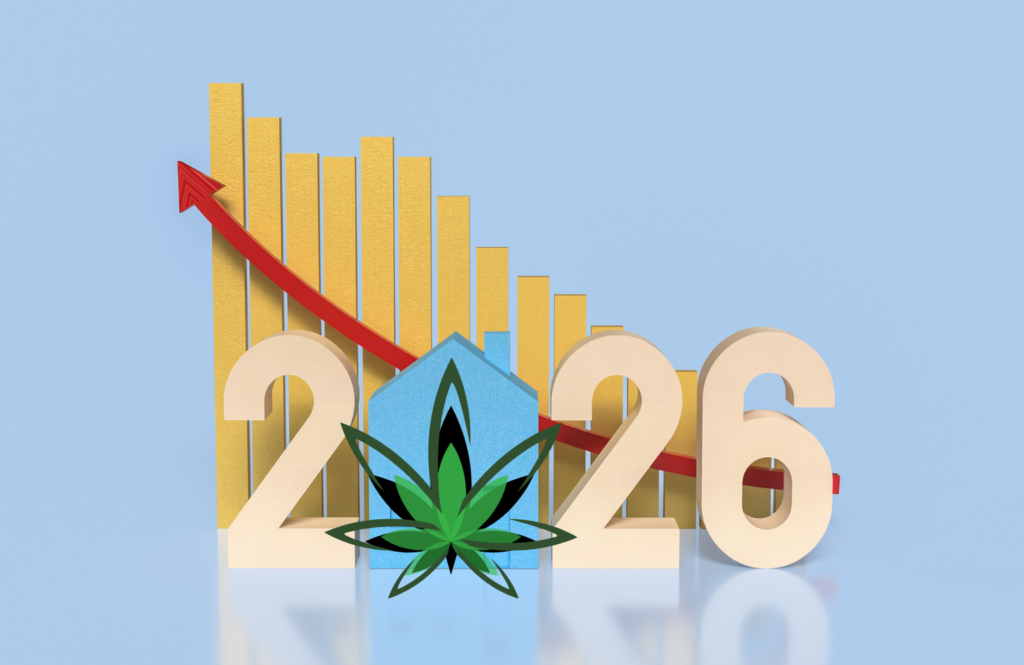
How Michigan’s Cannabis Market Became So Affordable
Michigan’s low cannabis prices didn’t happen overnight. They were the result of rapid growth after recreational marijuana sales began in late 2019.
As more growers, processors, and dispensaries entered the market, competition increased quickly. Michigan allows a large number of cannabis licenses, and over time this led to more cannabis being produced than consumers could reasonably buy. When supply grows faster than demand, prices naturally fall.
Dispensaries also began competing heavily for customers. Sales, loyalty deals, bulk discounts, and limited-time promotions became common across the state. For consumers, this created an environment where shopping around almost always meant finding a better price.
By late 2025, Michigan’s average retail price for an ounce of recreational cannabis had dropped to just over $58, down significantly from previous years. At one point, prices were less than two-thirds of what they had been only a couple of years earlier. This made Michigan one of the most affordable legal cannabis markets in the country.
While consumers benefited from these low prices, many cannabis businesses were operating with very thin profit margins. Some were selling products close to cost just to stay competitive. Smaller, locally owned shops felt this pressure the most, as they had fewer financial resources to fall back on.
This pricing environment worked well for buyers, but it also set the stage for what came next. A market built on extremely low prices leaves little room to absorb new costs, policy changes, or economic slowdowns — all of which Michigan’s cannabis industry is now facing.

Why Cannabis Prices Started to Change
After several years of rapid growth, Michigan’s cannabis market began showing signs of slowing down in 2025. For the first time since recreational sales began, total cannabis revenue declined slightly instead of growing.
Even though dispensaries sold more cannabis by volume, they made less money overall. This happened because prices kept falling while operating costs stayed the same or increased. Selling more product didn’t necessarily mean higher profits.
Another factor was market maturity. In the early years of legalization, new customers entered the legal market every month. By 2025, most people who wanted to buy legal cannabis were already doing so. Growth slowed, and the focus shifted from expansion to survival.
Rising costs also began to play a role. Labor, compliance, transportation, and regulatory requirements continued to add expenses for cannabis businesses. With prices already near historic lows, there was very little room left to absorb additional financial pressure.
These changes didn’t immediately raise prices, but they weakened the foundation that kept cannabis so cheap in Michigan. When a market reaches this point, even small policy changes or economic shifts can have a noticeable impact — which is exactly what began to happen as Michigan moved toward 2026.
What the New 24% Wholesale Tax Means for the Market (High-Level Overview)
- Michigan introduced a 24% wholesale cannabis tax that took effect at the start of 2026
- The tax is applied before cannabis reaches dispensary shelves, not at the checkout counter
- It affects the first transfer of cannabis from growers or processors to retailers
- This tax exists in addition to the current taxes already built into legal cannabis sales
- Because the tax applies earlier in the supply chain:
- Growers and processors face higher upfront costs
- Retailers may receive products at higher wholesale prices
- Businesses must decide how much cost they can absorb
- Growers and processors face higher upfront costs
- The tax was designed to generate funding for state infrastructure projects, including roads
- While the tax is not directly listed on consumer receipts:
- Its impact can influence pricing decisions across the market
- Changes may appear gradually rather than all at once
- Its impact can influence pricing decisions across the market
- In a market with already low prices and tight margins:
- Even small added costs can create noticeable pressure
- Businesses have less flexibility than they did in earlier years
- Even small added costs can create noticeable pressure
- The tax does not affect all cannabis purchases in the same way
- Its broader effects depend on market conditions, competition, and business strategies
Will Cannabis Prices Increase for Michigan Consumers in 2026?
- Price increases in Michigan are not expected to happen all at once
- Many dispensaries are trying to delay price changes as long as possible
- Several factors influence whether prices go up:
- How much of the added cost businesses can absorb
- Competition between nearby dispensaries
- Existing inventory purchased before the tax took effect
- Some products may see little or no immediate price change, while others could increase slightly
- In many cases, price adjustments may show up as:
- Fewer discounts and promotions
- Smaller sales events
- Less aggressive bulk pricing
- Michigan consumers are very price-sensitive
- Even small increases can affect buying habits
- Because of this, businesses are cautious about raising prices too quickly
- Compared to many other legal states:
- Michigan may still remain relatively affordable
- But the gap between Michigan and higher-priced states may narrow
- Overall, the shift is expected to be gradual, not sudden
- Consumers are more likely to notice changes over time rather than in a single visit
Michigan Cannabis Market Trends: Sales, Closures, and Industry Maturity
- Michigan’s cannabis market showed its first year-over-year sales decline in 2025
- Total adult-use sales dropped slightly, even though more cannabis was sold overall
- This trend highlights a key shift:
- Higher volume does not always mean higher revenue
- Lower prices reduced total earnings for businesses
- Higher volume does not always mean higher revenue
- The number of active cannabis licenses began to decline:
- For the first time since legalization, more licenses closed than opened
- Hundreds of licenses are now inactive across the state
- For the first time since legalization, more licenses closed than opened
- Growers were especially affected:
- Nearly one-third of cultivation operations have closed since the market opened
- Oversupply made it difficult to operate profitably
- Nearly one-third of cultivation operations have closed since the market opened
- Retail stores also faced pressure:
- Some dispensaries closed or consolidated locations
- Smaller, locally owned businesses were hit hardest
- Some dispensaries closed or consolidated locations
- These changes signal that Michigan has entered a mature cannabis market
- In a mature market:
- Growth slows
- Competition increases
- Efficiency and cost control become more important
- Growth slows
- While closures may reduce some competition over time:
- The market remains crowded
- Pricing pressure continues
- The market remains crowded
How Medical Marijuana Fits Into Michigan’s Changing Cannabis Landscape
| Topic | What’s Changing in 2026 | What It Means for Medical Marijuana |
|---|---|---|
| Market pressure | Michigan’s cannabis market is moving from fast growth to a “survival” phase | Medical access becomes more important for patients who want consistency and predictability |
| Pricing environment | Retail prices may trend upward over time due to new costs and tighter margins | Medical patients may be less impacted depending on how products are priced and available |
| Taxes and total cost | New costs are entering the supply chain for adult-use products | Medical marijuana purchases are generally structured differently than recreational purchases, which can affect out-the-door costs |
| Product availability | Some dispensaries may reduce discounts or narrow product selections | Medical patients may still have access to specific medical-focused options (varies by dispensary) |
| Consumer behavior | More shoppers may look for ways to manage cannabis spending | Some people may reconsider medical registration to support long-term affordability and patient access |
| Dispensary strategy | Businesses may rely more on stable customer groups | Medical patients often represent consistent demand, especially for wellness and symptom-related use |
| Patient priorities | Consumers may become more value-focused | Medical patients often prioritize reliability, product type, and consistent experience—not just price |
| Long-term outlook | The market may keep adjusting through 2026 | Medical marijuana remains a key part of Michigan’s cannabis system as prices and policies evolve |
Why Some Consumers Are Renewing or Considering a Medical Marijuana Card

- As Michigan’s cannabis market changes in 2026, some people are looking for ways to keep cannabis costs more manageable over time.
- One reason is pricing uncertainty:
- When new costs enter the supply chain, recreational pricing can become less predictable.
- Even if price increases are gradual, fewer discounts can make a difference month to month.
- When new costs enter the supply chain, recreational pricing can become less predictable.
- Some consumers are also thinking more about long-term value:
- A medical card can be a practical option for people who use cannabis regularly.
- It may help some patients avoid certain adult-use cost increases depending on how dispensaries price medical products.
- A medical card can be a practical option for people who use cannabis regularly.
- Another reason is access:
- Some people prefer medical-focused shopping for specific product types or consistent availability.
- Medical patients may also feel more comfortable buying within a patient-centered system.
- Some people prefer medical-focused shopping for specific product types or consistent availability.
- Convenience matters too:
- In some dispensaries, medical customers may have separate service areas or faster purchasing (this depends on the location).
- In some dispensaries, medical customers may have separate service areas or faster purchasing (this depends on the location).
- Finally, many people see it as a “just in case” option:
- With market changes happening quickly, some consumers choose to keep a card active so they have more flexibility in how they shop.
Why Keeping Legal Cannabis Affordable Matters
As Michigan’s cannabis market evolves, affordability remains an important part of keeping the legal system strong and accessible. Consumers have grown accustomed to competitive pricing, and even small changes can influence how people shop.
Licensed dispensaries play a critical role in providing tested, regulated products with clear labeling and consumer protections. These safeguards help ensure product quality, consistency, and safety—benefits that are central to Michigan’s legal cannabis framework.
That’s why maintaining balance is important. Policies and regulations are designed to support public goals, while businesses work to keep legal cannabis accessible and competitive. When the legal market remains affordable and reliable, it helps protect consumers, supports local businesses, and strengthens the regulated system overall.
What This Means for Michigan Cannabis Consumers Moving Forward
Michigan’s cannabis market is entering a new phase. After years of falling prices and rapid growth, the focus is shifting toward stability and long-term sustainability.
For consumers, this means prices may not be as low as they once were, but changes are expected to happen gradually. Some products may cost a bit more over time, while others may stay relatively affordable depending on competition and availability.
Shoppers may also notice fewer large discounts or bulk deals. Instead of constant price drops, dispensaries may focus more on consistent pricing and reliable product selection.
Even with these changes, Michigan remains one of the largest legal cannabis markets in the country. Legal access, product safety, and consumer protections continue to be important benefits for many people.
Moving forward, staying informed will help consumers make better choices. Understanding how the market is changing allows shoppers to plan ahead, compare options, and decide what works best for their needs as Michigan’s cannabis landscape continues to evolve.
FAQs

Was Michigan really one of the cheapest cannabis markets in the U.S.?
Yes. For several years, Michigan had some of the lowest legal cannabis prices in the country due to high competition, a large number of licenses, and oversupply.
Are cannabis prices guaranteed to go up in 2026?
Not guaranteed. Some prices may increase gradually, while others may stay the same. Many dispensaries are trying to keep prices competitive for as long as possible.
Will all cannabis products be affected the same way?
No. Some products may see small changes, while others may not change much at all. Pricing depends on inventory, demand, and how businesses manage costs.
Does the new wholesale tax apply to medical marijuana?
Medical marijuana is structured differently from adult-use cannabis. This can affect how prices are calculated, depending on the product and dispensary.
Is Michigan still affordable compared to other legal states?
Even with possible changes, Michigan may remain more affordable than many other legal cannabis states, though the price gap may be smaller than before.
Why is the cannabis market changing now?
After years of fast growth, Michigan’s cannabis market has matured. Slower growth, tighter margins, and new costs are all part of this next phase.
Do medical marijuana patients pay the 10% excise tax in Michigan?
No. Medical marijuana cardholders in Michigan are exempt from the 10% adult-use excise tax when purchasing medical cannabis.
Do medical marijuana patients still pay sales tax?
Yes. Medical cannabis purchases are subject to Michigan’s standard 6% sales tax.
Does the new 24% wholesale cannabis tax apply to medical marijuana?
The wholesale tax applies to adult-use cannabis transfers in the supply chain. Medical cannabis is structured differently under Michigan law.
Is the 24% wholesale tax charged directly to customers at checkout?
No. The wholesale tax is not listed as a line item on customer receipts. Like many business costs, its impact may be reflected gradually in pricing decisions over time.
How much does a medical card holder save on a $100 cannabis purchase?
Tax treatment differs between medical and adult-use purchases. Depending on the product and dispensary, medical purchases may result in lower total taxes compared to recreational purchases..
Can a medical marijuana card help manage cannabis costs?
For some consumers, yes. Because medical purchases are taxed differently, having a medical card may help manage overall cannabis expenses—especially for regular purchasers.
Is it possible for a medical card to pay for itself over time?
Some patients find that differences in tax treatment add up over time. How quickly this happens depends on individual purchasing habits and frequency.
Are all dispensaries required to honor medical pricing?
Dispensaries that offer medical cannabis follow Michigan’s medical marijuana regulations. Product availability and pricing can vary by location.
Why are more people reconsidering medical cards in 2026?
As the cannabis market matures and pricing structures evolve, some consumers are exploring medical registration as a way to maintain flexibility and access within the legal system.
Michigan’s Cannabis Market Is Changing — Staying Informed Matters
Michigan’s cannabis industry has come a long way in a short time. What started as a fast-growing market with extremely low prices is now settling into a more stable and mature phase.
While prices may not stay as low as they once were, the legal cannabis system continues to offer important benefits, including regulated products, clear labeling, and consumer protections. These factors remain important as the market adjusts to new conditions.
For consumers, understanding how and why the market is changing can make a real difference. Staying informed helps people plan ahead, compare options, and choose what best fits their needs.
As Michigan moves forward, the cannabis market will likely continue to evolve. Being aware of these shifts allows consumers to adapt confidently while continuing to access legal, reliable cannabis in the state.