
If you’ve noticed cannabis prices creeping up in Michigan, you’re not imagining it — and it might get worse.
Michigan recently approved a new 24% wholesale marijuana tax, and even though it’s charged on growers and processors, most dispensaries will likely pass that cost down to you. That means recreational cannabis could become noticeably more expensive, especially for regular shoppers.
But here’s the good news: medical marijuana patients can avoid most of these extra taxes.
So if you buy flower, carts, or edibles every month, this new tax could cost you hundreds more each year — unless you have a Michigan medical marijuana card.
Michigan Marijuana Tax Update (2025–2026): What Changed?
Michigan already had taxes on recreational cannabis, but this new law adds a big extra charge at the wholesale level — before products even reach dispensary shelves.
What changed?
Michigan introduced a new 24% wholesale cannabis tax. This tax applies when cannabis products move from:
- licensed growers
- licensed processors
to - retail dispensaries
Even though dispensaries are the entities legally responsible for paying Michigan’s marijuana taxes, many may adjust product pricing to help offset the added operating costs. As a result, consumers may notice higher overall prices, even though the tax itself is not charged to customers as a separate line item at checkout. This indirect impact helps explain how changes in tax policy can influence cannabis pricing across the state.
Why is this a big deal?
Because Michigan recreational cannabis already includes:
- a 10% excise tax (on adult-use cannabis)
- plus 6% sales tax
And now the wholesale tax adds more pressure on prices.
So if you’re a recreational customer, the total cost you pay may increase noticeably — especially if you buy cannabis regularly.
Medical marijuana patients are still protected from most of these taxes, which is why more people are looking into getting a medical card.
What Is the Michigan Cannabis Wholesale Tax and Who Pays It?
The Michigan wholesale cannabis tax is a 24% tax charged when cannabis products are sold from growers and processors to dispensaries.
This is different from the tax you usually see at checkout, because it happens before the product even reaches the store.
Who is officially required to pay it?
This 24% wholesale tax applies to:
Licensed cannabis growers
Licensed cannabis processors
Wholesale transfers to retail dispensaries
So on paper, it looks like businesses are paying the tax — not customers.
But who really feels the impact?
In real life, dispensaries usually don’t absorb huge costs like this. Most will:
- raise product prices
- reduce discounts
- increase average retail markup
That means recreational customers will likely pay more for the same products.
Why medical patients are different
Medical marijuana purchases generally avoid most of the extra tax burden, which is why having a Michigan medical marijuana card can become an even bigger money-saver as prices rise.
Michigan Recreational Cannabis Taxes Breakdown
To understand why prices may go up, it helps to see how Michigan cannabis taxes stack up.
Even before the new wholesale tax, recreational marijuana already included multiple taxes. Now, the added 24% wholesale tax can increase prices even more.
Michigan Cannabis Tax Breakdown (Recreational vs Medical)
| Tax Type | Rate | Applies To | Recreational? | Medical? |
|---|---|---|---|---|
| Wholesale Cannabis Tax | 24% | Growers & Processors (passed down through price) | Yes | No |
| Recreational Excise Tax | 10% | Retail cannabis sales | Yes | No |
| Sales Tax | 6% | Retail sales | Yes | Yes |
| Estimated Total Tax Impact | ≈ 35–40% | Final cost to recreational consumers | Yes | Only 6% |
What this means for you
If you’re shopping recreationally, your final price can rise because:
- dispensaries pay more upfront (wholesale tax)
- then the consumer pays excise tax and sales tax on top of it
But if you’re a medical marijuana patient:
- you typically pay only 6% sales tax
- you avoid most of the extra tax burden

How Much Will Weed Cost After the New Tax?
So how much extra will you actually pay?
Even though the new 24% wholesale cannabis tax isn’t charged directly to customers, dispensaries will likely raise prices to cover it. That means the same product could cost more — even before your checkout taxes (excise + sales) are added.
Simple Example: $200 Ounce (Flower)
Let’s say an ounce costs $200 before taxes.
Recreational Buyer
You may end up paying more because the wholesale tax increases the base price, and then checkout taxes are added too.
| Type | Base Price | Estimated Taxes | Final Cost |
|---|---|---|---|
| Recreational | $200 | ~$50–$60 | ~$250–$260 |
Medical Buyer
Medical patients usually pay only 6% sales tax, with no recreational excise tax and less price impact from wholesale changes.
| Type | Base Price | Taxes | Final Cost |
|---|---|---|---|
| Medical | $200 | $12 | $212 |
Savings: About $40–$50 per ounce, depending on how dispensaries pass the wholesale tax through.
Big picture
If you buy cannabis regularly, this adds up quickly.
For example:
- someone spending $150/month recreationally
- could easily lose $300–$500 per year to higher taxes and price increases
That’s why many Michigan consumers are now looking at getting a medical marijuana card to keep costs lower.
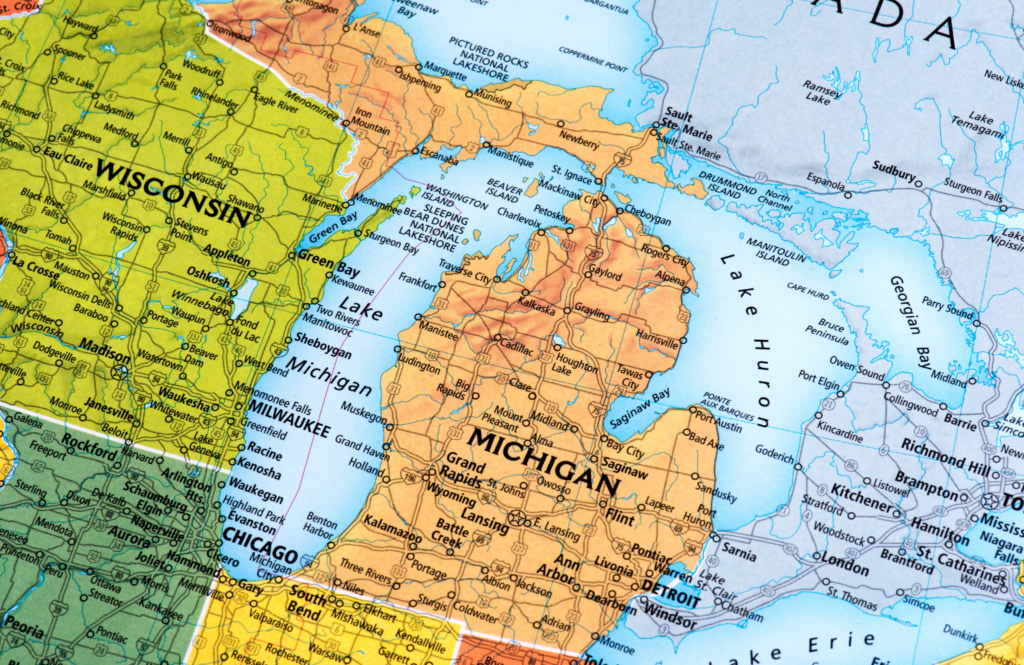
Medical vs Recreational — Why Medical Patients Avoid Most Taxes
This is the part most Michigan cannabis consumers don’t realize:
Medical marijuana patients are not taxed the same way as recreational shoppers.
That’s why a medical marijuana card can help you save a lot — especially now.
Why recreational buyers pay more
When you shop recreationally, your price can increase from multiple layers:
- Wholesale cannabis tax (24%) increases the product cost before it even hits the shelf
- Recreational excise tax (10%) is added at checkout
- Sales tax (6%) is added at checkout
So even if a product looks like a good deal, taxes and wholesale markups can make it much more expensive.
Why medical patients pay less
Medical marijuana patients typically:
- avoid the 10% recreational excise tax
- are less affected by wholesale tax increases (because medical pricing rules and supply chains can differ)
- pay only the 6% sales tax in most cases
Who should seriously consider getting a medical card?
If you:
- buy cannabis weekly or monthly
- spend more than $100/month
- use cannabis for anxiety, sleep, pain, PTSD, migraines, or chronic stress
prefer stronger products or higher limits
then a Michigan medical marijuana card can be one of the easiest ways to save money legally.

Michigan Marijuana Tax Savings Calculator
You don’t need to be a math expert to see how quickly this new tax can add up.
Because recreational cannabis now has more taxes and likely higher retail prices, medical patients can save a lot over time — especially if you buy every month.
Most people save around 15%–25% per purchase, depending on product type and dispensary pricing.
Why Michigan Added This Marijuana Tax (Where the Money Goes)
Michigan lawmakers say the new marijuana tax is meant to raise money for the state — mainly to help with infrastructure, especially roads.
You may have heard people call it the “Pot for Potholes” plan.
The goal behind the new tax
Michigan collects a lot of revenue from cannabis already, but leaders wanted more funding for:
- road repairs
- city and state infrastructure projects
- cannabis regulation and oversight
So the state added the 24% wholesale cannabis tax to bring in even more money each year.
How to Avoid Michigan’s New Marijuana Tax Legally
If you’re a regular cannabis shopper in Michigan, you’re probably thinking:
“How do I stop paying these extra taxes?”
The good news is: there’s a legal way to avoid most of the tax impact — and it’s simple.
The best way: Get a Michigan medical marijuana card
A Michigan medical marijuana card can help you avoid:
- the 10% recreational excise tax
- much of the wholesale tax price increase that recreational products may reflect
- higher overall “adult-use” pricing
In most cases, medical patients pay only:
6% sales tax
That’s why medical patients usually spend less per visit — and save more over time.
Benefits of Getting a Michigan Medical Marijuana Card (Beyond Taxes)
Yes, the biggest reason most people get a Michigan medical marijuana card is to save money — but that’s not the only benefit.
Medical patients often get access to better options, stronger products, and more flexibility.
Here are the top benefits:

1. Save money on every dispensary visit
Medical patients usually:
- avoid the 10% recreational excise tax
- pay only the 6% sales tax
- are less impacted by price increases caused by wholesale taxes
This can mean 15%–25% savings per purchase depending on the product and dispensary.
2. Higher purchase limits (more flexibility)
Medical marijuana programs are designed for patients who use cannabis regularly, so the rules often allow:
- higher purchase limits
- more product access over time
This is helpful for anyone who uses cannabis for pain, sleep, anxiety, or other medical conditions.
3. Access to medical-only products and better availability
Some dispensaries have:
- medical-only deals
- medical-only product lines
- better availability for medical patients during shortages
So you may get more consistent access to your preferred items.
4. Stronger legal protection (for qualified use)
Having a medical card shows you’re a registered patient under Michigan’s medical marijuana system.
That can be helpful in certain situations and provides a clearer legal status than recreational use alone.
5. Better long-term value if prices rise
If recreational prices keep going up because of taxes, medical patients may stay protected from the biggest increases.
So the medical card becomes even more valuable over time.
FAQs
Is Michigan’s new marijuana tax really 24%?
Yes. Michigan approved a 24% wholesale cannabis tax that applies when cannabis products move from growers and processors to dispensaries.
When does the new Michigan marijuana tax start?
The tax is expected to begin in 2026, depending on final state implementation and any legal challenges.
Do medical marijuana patients pay the new wholesale tax?
In most cases, no. Medical marijuana patients typically avoid the biggest tax increases and pay only 6% sales tax, while recreational buyers may face much higher total costs.
How much can I save with a Michigan medical marijuana card?
Most people save around 15%–25% per purchase, depending on what they buy and how often they shop. That can equal $200–$700+ per year for many regular cannabis consumers.
Why is Michigan adding this marijuana tax?
Michigan lawmakers say the tax is meant to raise money for roads, infrastructure, and cannabis regulation, often described as the “Pot for Potholes” plan.
What’s the best legal way to avoid Michigan’s new marijuana tax?
The best way is to get a Michigan medical marijuana card, because medical patients usually avoid recreational excise taxes and often pay much less overall.
Can I get a Michigan medical marijuana card online?
Yes. With GreenLightMMJ, the evaluation process can be done online through a quick telehealth appointment with a licensed doctor.

Don’t Overpay for Cannabis in Michigan
Michigan’s new 24% wholesale marijuana tax could raise recreational cannabis prices across Michigan. Even though it’s charged at the wholesale level, many dispensaries will likely pass the cost to customers, leading to higher totals at checkout. Getting a Michigan medical marijuana card can help you avoid most of these extra costs and save money on every purchase. Get certified online with GreenLightMMJ today and start saving.