If you live in Illinois and struggle with ovarian cyst pain, you probably know how unpredictable and draining it can be. Some days, painkillers may help, but other days, nothing seems to work. That’s when many women start exploring natural or alternative options.
And one question often comes up:
Can cannabis really help with ovarian cyst pain — or is it just hype?

What Are Ovarian Cysts?
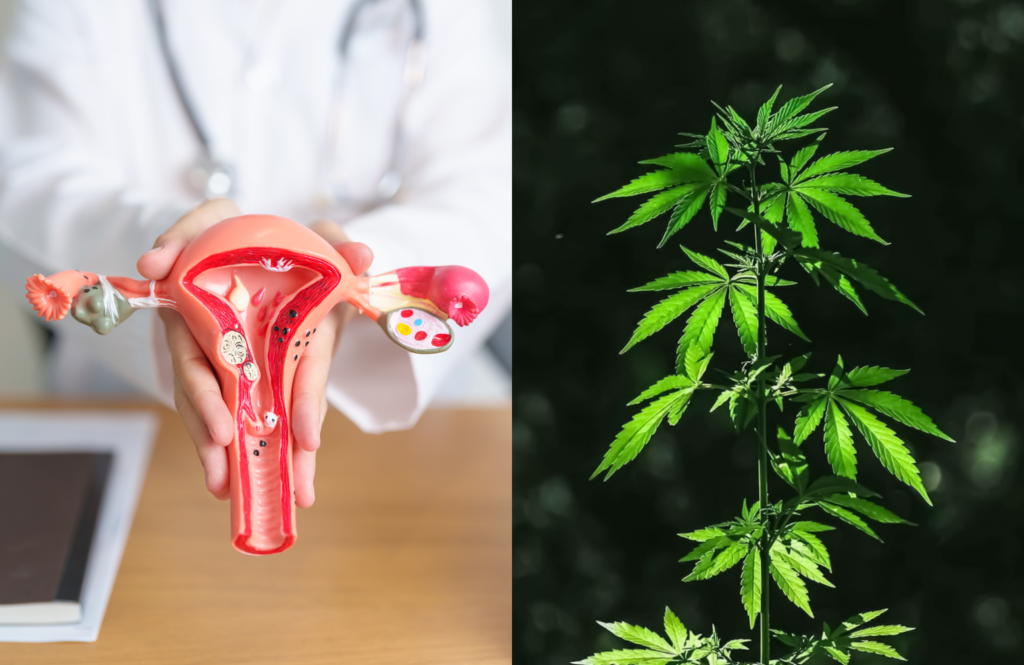
Ovarian cysts are fluid-filled sacs that form in or on the ovaries. Many are harmless and go away naturally. But some grow larger, press on nerves, or even twist—causing pain that can range from dull discomfort to sharp, sudden cramps.
Common types of ovarian cysts:
| Type | Description | Pain Chances |
|---|---|---|
| Functional cysts | Common, formed during the menstrual cycle | Usually mild, may go away on their own |
| Dermoid / Cystadenoma | Less common, may grow larger | Can cause pressure, bloating, or pain |
| Endometrioma | Linked to endometriosis | Painful during periods or sex |
Pain may feel worse when:
- The cyst grows bigger
- It ruptures
- It twists the ovary (ovarian torsion)
- It presses on nearby nerves
In Illinois, many women explore different pain relief options — and cannabis has become one of the most asked-about choices.
Why Women in Illinois Are Exploring Cannabis for Ovarian Cyst Pain
Women across Illinois are turning toward cannabis when pain affects their everyday life — working, sleeping, walking, or simply moving around. Many report:
- Pain during periods or ovulation
- Muscle tightness in the pelvic area
- Inflammation or pressure in the lower belly or back
- Trouble sleeping due to pain
- Mood changes like anxiety or irritability
How Cannabis May Help:
| Relief Area | Possible Effect |
|---|---|
| Pain signals | May help reduce pain intensity |
| Inflammation | May help lower swelling around the cyst |
| Muscle tightness | May help relax pelvic and lower belly muscles |
| Stress & sleep | May support better sleep and calmness |
Important: Cannabis does not treat or shrink ovarian cysts. It may only help manage the symptoms—mainly pain, inflammation, and discomfort.
How Cannabis Works in the Body
Your body has a natural system called the Endocannabinoid System (ECS). It helps manage pain, mood, inflammation, stress, and sleep.
Cannabis compounds like THC and CBD connect with ECS receptors—found in the brain, nerves, immune cells, and even reproductive organs like the ovaries.
Simple Breakdown
| What it may affect | How cannabis may help |
|---|---|
| Pain signals | May reduce how strongly your brain feels pain |
| Inflammation | May lower swelling around the cyst |
| Pelvic muscle tension | May help relax tense muscles |
| Sleep & mood | May improve rest and reduce stress |
When Women in Illinois Start Considering Cannabis
Women usually try heat pads, OTC painkillers, or rest first. But when pain becomes resistant or keeps coming back, cannabis becomes an option — especially with Illinois’ legal medical cannabis program.
You may think about cannabis when:
- Pain makes it hard to sit, walk, work, or sleep.
- Pain returns often around ovulation or periods.
- You feel muscle tightness or pressure in the lower belly or back.
- Regular pain relief methods help, but only for a short time.
Pain affects mood, sleep, or daily energy.
What cannabis may help with:
| Symptom | Possible effect of cannabis |
|---|---|
| Pelvic or lower belly pain | May help reduce pain signals |
| Inflammation around the cyst area | May ease swelling and pressure |
| Muscle tightness or cramps | May help relax muscles |
| Trouble sleeping due to pain | May help with rest and comfort |
| Stress or worry related to pain | May support calmness and mood |
Types of Cannabis Products Women Commonly Use for Pain
| Type of Product | How It Works | Onset Time | How Long It May Last | Common Use |
|---|---|---|---|---|
| Oils / Tinctures (under the tongue) | Absorbed through the mouth tissues | 15–30 mins | 4–6 hours | Ongoing pain relief |
| Edibles (gummies, capsules) | Goes through digestion, then into the bloodstream | 1–2 hours | 6–8 hours | Long-lasting relief or sleep support |
| Vaping or Smoking | Absorbed through the lungs | 5–10 mins | 2–3 hours | Quick pain relief |
| Topical Creams / Balms | Applied on the skin, does not enter the bloodstream | 30–45 mins | 1–2 hours | Local pain, muscle discomfort |
| CBD-only products | Hemp-derived, non-intoxicating | Varies | 2–6 hours | Mild pain, inflammation, tension |
- Do I need quick relief? → Vaping or oils.
- Do I need long-lasting relief? → Edibles or capsules.
- Do I not want any mind-altering effect? → CBD-only options.
- Do I want to avoid swallowing anything? → Topical creams.
Possible Risks and When to Be Careful
Cannabis may help some women with ovarian cyst pain, but it does not work the same for everyone. Some feel relief, while others feel side effects or no change at all. Knowing the possible risks helps you make a safer and informed choice.
Possible Side Effects
| Common effect | How it may feel |
|---|---|
| Dry mouth | Feeling thirsty more often |
| Dizziness or lightheadedness | Feeling unsteady or tired |
| Faster heartbeat | Noticeable increase in pulse |
| Change in mood | Feeling too sleepy, anxious, or overly relaxed |
| Trouble focusing | Slow thinking or low alertness |
When to Be More Careful
- If you are pregnant or planning to get pregnant.
- If you have anxiety, depression, or mood-related conditions.
- If you are taking hormone medicines or birth control, some cannabis products may interact.
- If you have heart-related issues.
- If your work or daily tasks require clear alertness and focus.
Important note: Using cannabis should be about managing symptoms — not replacing medical advice, tests, or treatment for ovarian cysts.
Tip: Know the Law (Medical vs. Recreational Use)
Illinois allows both medical and recreational cannabis, but medical use is more guided, controlled, and suitable for women seeking pain relief.
Illinois Medical Cannabis Benefits:
✔ Access to higher-quality products
✔ Guidance from licensed professionals
✔ Legal protection under the Illinois Compassionate Use Act
✔ Better dosing and tailored care
When to Talk to a Doctor — and What to Ask
| Pain Symptom | What It May Mean |
|---|---|
| Suddenly, sharp pelvic pain | Possible cyst rupture or torsion |
| Pain with vomiting or fever | Infection or complication |
| Dizziness or fainting | Internal bleeding or low BP |
| Bloating with severe pain | Risk of rupture or enlargement |
| Pain that doesn’t improve | Needs medical diagnosis |
Good Questions to Ask Your Doctor:
- What type of cyst do I have?
- Should I monitor, treat, or remove it?
- Is CBD or cannabis safe for my condition?
- Can it interact with my current medicines?
- When should I go to the hospital?
Your Relief Should Be Safe, Legal, and Guided
Ovarian cyst pain can be overwhelming, but you don’t have to manage it alone. In Illinois, cannabis may help with pain, inflammation, and sleep — but the safest path is a medically guided one.
That’s where Greenlight Wellness can help.
✔ Licensed professionals
✔ Personalised dosage guidance
✔ Legal medical cannabis access
✔ Focus on pain and women’s health